

Agreement for Huge difference (CFD) trading is a favorite way to purchase numerous financial markets without buying the main assets. For beginners, it may look complex initially, but with the right method, it offers an available and flexible solution to trade. Whether you want to discover forex, stocks, commodities, or indices, CFDs give a broad spectral range of opportunities. This short article can manual you through the fundamental steps to get started with t4trade cfd trading as a beginner.
What Are CFDs and Why Are They Common?
A Contract for Difference (CFD) is an economic derivative product which allows traders to speculate on cost activities of assets without possessing them. Basically, you enter a contract with a broker, and your profits or deficits depend on the asset's cost big difference from once the contract is opened to when it's closed.
CFDs are desirable for several factors:
Influence: With CFDs, you do not have to invest the full amount of the asset's value. As an alternative, an inferior margin deposit is needed, letting you gain larger coverage with less capital.
Flexibility: CFDs allow equally extended (buy) and small (sell) jobs, which means you could possibly profit whether prices progress or down.
Diverse Areas: You can trade in a variety of areas, including forex, commodities, cryptocurrencies, and shares, through one platform.
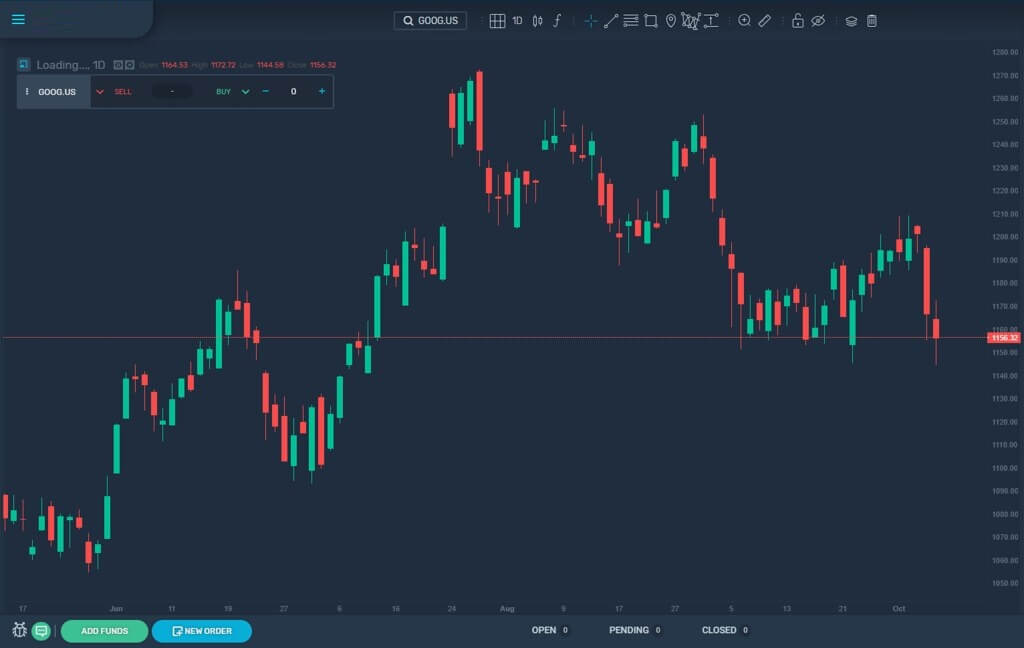
Steps to Get Began with CFD Trading
1. Understand the Basics of CFD Trading
Before jumping into stay trading, it's vital to know how CFDs perform, including crucial ideas like leverage, margin, and spreads. Influence amplifies equally profits and failures, so managing it effortlessly is vital.
There are plenty of on the web programs, guides, and books available to assist you build theoretical knowledge. Make sure you cover issues such as chance administration, trading psychology, and making a trading strategy.
2. Select a Reliable CFD Broker
Your trading knowledge depends heavily on the broker you choose. Choose a respected broker that provides:
Regulation by way of a acknowledged authority (e.g., FCA, ASIC, or CySEC).
A user-friendly trading system suitable for beginners.
Usage of a wide selection of markets.
Clear fees and aggressive spreads.
Studying customer opinions and exploring demonstration records are good ways to examine a broker's reliability before choosing your funds.
3. Exercise with a Demonstration Bill
Most CFD brokers give a demo account where you are able to industry electronic profit stay industry conditions. That is a superb way to practice your trading skills, check methods, and get familiar with the trading platform without risking true capital. Invest at the least a few weeks using the demonstration account before moving to true trades.
4. Start Small and Control Dangers
When you are ready to deal with real money, begin with a small quantity of money as you are able to manage to lose. Use stop-loss purchases to restrict possible deficits and prevent over-leveraging your account.
As an example, if you determine to industry forex CFDs, endangering only 1-2% of one's account per trade is really a frequent principle employed by successful traders. This ensures that the single poor deal won't set your complete consideration at risk.
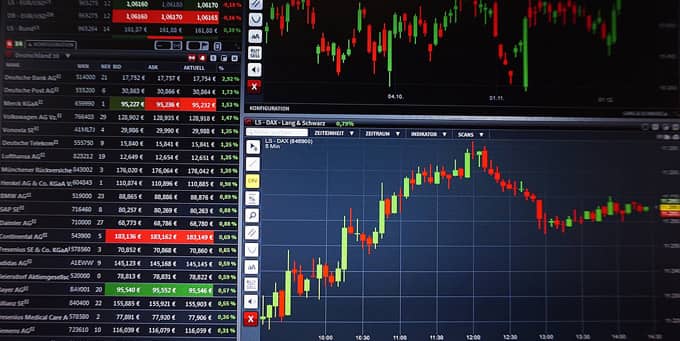
5. Repeatedly Increase Your Technique
CFD trading needs continuous understanding and adaptability. Evaluation your trades frequently to analyze what's working and what isn't. Keep track of media and styles that influence the economic areas you are trading in and improve your technique as you get experience.
Ultimate Ideas
CFD trading is an exciting opportunity for novices, but it's necessary to method it with caution and preparation. By getting time to learn the basic principles, training with a demo bill, and trading with a risk management strategy, you are able to build your assurance and skillset over time.
Remember, as the potential for income is full of CFD trading, so is the risk. Begin slow, business wise, and keep learning. For more ideas and improvements about market traits, contribute to our publication today!